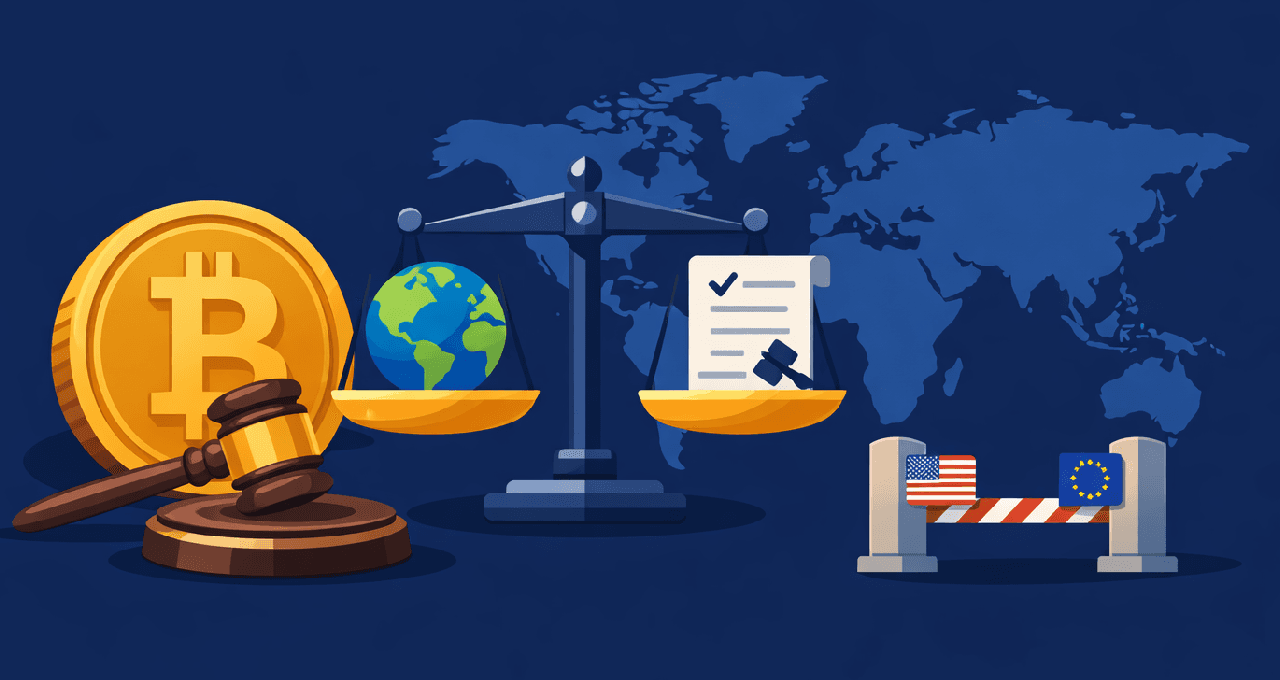
If you’re just getting started in crypto, regulations can feel super confusing. Rules change from country to country, different parts of the market get attention at different times, and things can shift quickly. That often makes crypto seem harder than it really is.
In simple terms, crypto regulation is how governments and authorities create rules, oversight, and enforcement for digital assets, exchanges, stablecoins, taxes, anti-money laundering, and protecting everyday users like you and me.
You don’t need to become a lawyer. The goal is just to understand the big-picture areas, why they exist, and how they affect your daily trading and investing. This guide breaks it all down in plain, easy-to-follow language.
What Does Crypto Regulation Actually Mean?
Crypto regulation refers to the laws, guidelines, and actions that apply to cryptocurrencies and the businesses that handle them. It usually covers:
How exchanges and platforms operate
How different tokens or coins are classified
Tax obligations
Rules for stablecoins
Anti-money laundering requirements
Consumer and investor protection
Some countries have created brand-new crypto-specific laws. Others simply apply older financial rules on a case-by-case basis. That’s why the global picture looks so patchy.
Why Do Governments Regulate Crypto?
Governments want to support new ideas while keeping risks in check. Here are the main things they worry about:
Regulatory Concern | Why It Matters to You as a Beginner |
Consumer Protection | Stops fraud, hacks, and misleading promises that could cost you money |
Financial Crime | Prevents crypto from being used for money laundering or breaking sanctions |
Market Integrity | Reduces price manipulation and unfair trading practices |
Financial Stability | Makes sure huge stablecoins or big platforms don’t create wider economic problems |
Tax Enforcement | Ensures people report and pay taxes on crypto profits correctly |
Some people say regulators sometimes move too slowly or create too much confusion. The debate is still going on in many places.
The Main Areas of Crypto Regulation
Regulation isn’t just one big rule book. It touches several key areas that directly affect how you trade.
1. Exchange Regulation
Exchanges are where most beginners buy and sell crypto, so they get a lot of attention. Regulators often require them to get official licenses, check your identity, monitor transactions, keep assets safe, and follow strict reporting rules.
For you this means:
Some platforms might not be available in your country
You may need to complete identity checks (KYC)
Certain coins might not be listed
Deposit and withdrawal processes can feel stricter
2. Token Classification
A huge legal question is what “type” each token actually is. It could be treated as:
A commodity (like gold)
A security (like stocks)
A payment token
A utility token
Or a special stablecoin category
This classification decides which rules apply to the people who create it, the platforms that list it, and even how you can use it.
3. Stablecoin Regulation
Stablecoins (like USDT or USDC) act like digital dollars and have become very popular. Regulators now look closely at:
What backs the stablecoin?
Are the reserves transparent and safe?
Can you easily redeem them for real money?
Could they create bigger risks for the financial system?
4. Anti-Money Laundering and Identity Rules
Most centralized platforms must follow strict rules to stop illegal activity. This usually includes:
Asking for your ID and personal details (KYC)
Monitoring transactions
Reporting anything suspicious
Checking against sanctions lists
5. Taxation
This is the part that hits everyday traders the most. In many countries you may owe tax when you:
Sell crypto for regular money
Swap one token for another
Earn staking rewards
Receive crypto as income
Tax rules are different everywhere, so always check your local guidance.
Why Crypto Rules Differ Across Countries
Crypto works everywhere, but laws are made locally. Some countries are very welcoming; others are cautious or still figuring things out.
Approach | What It Looks Like for You |
Supportive | Clear licenses, defined rules for tokens and stablecoins |
Mixed | Legal in some areas, unclear or limited in others |
Restrictive | Heavy limits on trading, banking access, or advertising |
Enforcement-led | Rules shaped mostly by lawsuits and individual cases |
This is why a platform that’s fine in one country might not be allowed where you live.
How Regulation Affects You as a Beginner
Even if you’re only trading small amounts, rules still touch your experience in these ways:
Platform access (some apps may be blocked or need extra verification)
Which products you can actually use (derivatives, staking, lending, etc.)
Keeping records for taxes
Slightly higher safety standards on regulated platforms (though nothing is 100 % risk-free)
Key Terms Every Beginner Should Know
Term | Simple Meaning |
KYC | Know Your Customer – the identity verification process |
AML | Anti-money laundering rules to stop illegal use |
Securities Law | Rules that apply to investment-type tokens |
Licensing | Official permission for companies to operate legally |
Custody | How platforms safely hold your crypto assets |
Disclosure | Information that companies must share with you |
Enforcement Action | Legal steps taken against a company or person |
Regulation Doesn’t Eliminate All Risk
Important reminder: A regulated platform is usually better than an unregulated one, but it’s not automatically safe. You can still face:
Hacks or operational failures
Market volatility
Poor management or liquidity issues
Always do your own research and never invest more than you can afford to lose.
DeFi and Regulation
DeFi (decentralized finance) adds another layer because there’s often no single company in charge. Regulators are still working out who is responsible and how rules apply. Key takeaway for beginners: Just because something is “on the blockchain” doesn’t mean it’s completely outside the law.
A Smart Beginner Approach
You don’t need to master every law. Just follow these practical habits:
Stick with well-known platforms that clearly say where they operate.
Read the terms and conditions for your own country.
Keep simple records of your trades and taxable events.
Be extra careful with products that look overly complicated or legally unclear.
Never assume a service legal somewhere else is legal for you.
This is not legal advice – just common-sense tips to help you avoid easy mistakes.
Final Thoughts
Crypto regulation can look messy from the outside, but the main ideas are straightforward: protect users, stop crime, keep markets fair, and collect taxes. Rules are still evolving around the world, and different countries move at different speeds.
The best mindset for new traders is calm awareness. Understand how regulations affect the platforms you use, the records you keep, and your responsibilities in your own country. That knowledge alone will make you a smarter, safer crypto trader.
FAQ
Is crypto legal?
In most countries some crypto activities are legal, but it depends on where you live, which coins you use, and what you do with them.
Why do exchanges ask for ID?
They must follow KYC and AML rules to help prevent illegal activity.
Are stablecoins regulated?
In many places they are getting more rules because of how widely they are used for payments and trading.
Do I have to pay tax on crypto?
Usually yes. Selling, trading, staking, or earning crypto can create taxable events – check your local laws.
Does regulation make crypto completely safe?
No. It raises standards and oversight, but you still face normal risks like market swings, platform issues, and your own decisions.
Disclaimer: This content is for educational and informational purposes only and is not financial advice. Nothing here is a recommendation to buy or sell any asset or use any platform. Do your own research and manage your risk.
Read More
Need deeper training?
Join our structured modules with live examples and expert checklists for effective implementation.
JOIN THE ACADEMY