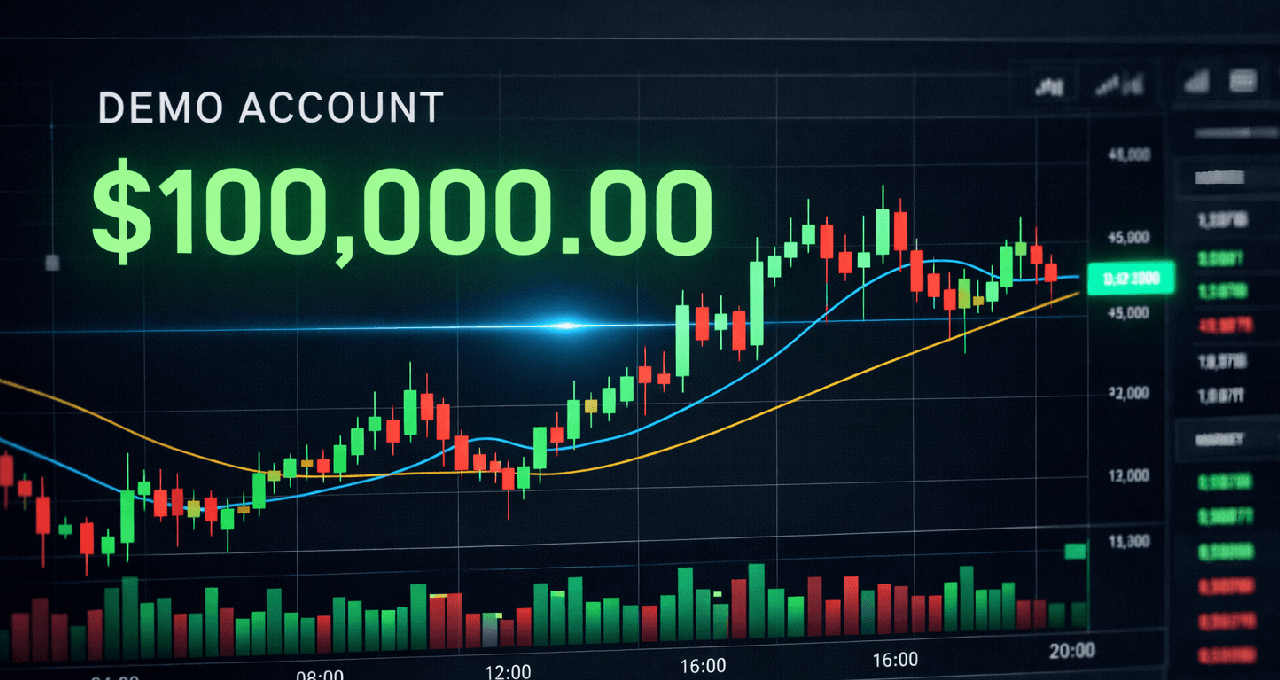
Paper trading is one of the smartest moves you can make when you are just starting in crypto trading. It lets you practice placing trades, reading charts, managing risk, and building good habits using completely fake money. No real losses, no stress about wiping out your account.
Most beginners lose money not because their ideas are bad, but because they are still learning how to execute trades properly, stay disciplined, and control their emotions. A good paper trading platform gives you a safe space to practice all of that before you ever risk real capital.
This guide walks you through five practical options that beginners actually use to get better at crypto trading.
Why Paper Trading Matters
Paper trading helps you practice the real skills every trader needs:
Placing buy and sell orders
Planning trades in advance
Setting smart stop losses
Deciding how much to risk on each trade
Keeping a trading journal and reviewing what worked
Staying calm and following your plan
It is not exactly the same as live trading with real money, but it is way better than learning the hard way with your own cash.
What Beginners Should Look For
Here is a quick checklist of the most important features:
Feature | Why It Matters for You |
Realistic chart environment | You learn to read price action the right way |
Order simulation | The workflow feels like a real exchange |
Easy reset and review | You can practice the same setup over and over |
Market variety | You can test different coins and setups |
Journal compatibility | You can easily track and improve your decisions |
1. TradingView Paper Trading
Rating: 4.8 / 5
TradingView is a favorite for most beginners because it combines world-class charts with built-in paper trading.
Pros | Cons |
Excellent charts and drawing tools | Simulation does not feel the same pressure as real money |
Easy to place simulated orders | No direct connection to some exchanges |
Great for learning technical analysis | Can feel overwhelming with all the tools |
Free to use with a basic account |
Best for: Beginners who want to focus on chart reading and technical setups.
2. Exchange Demo Accounts
Rating: 4.4 / 5
Many crypto exchanges such as Bybit offer free demo or test accounts that look and feel exactly like their real trading platform.
Pros | Cons |
You learn the exact layout you will use later | Not every exchange has a good demo |
Realistic order types and fees | Some are more focused on futures than spot |
Instant familiarity with your future exchange | Quality varies a lot |
Best for: Beginners who already know which exchange they want to trade on.
3. Dedicated Simulated Trading Platforms (such as Crypto Parrot)
Rating: 4.1 / 5
These apps and websites are built from the ground up just for practice.
Pros | Cons |
Super simple and beginner-friendly | Charts and order flow are sometimes less realistic |
Quick to start with no complicated setup | Fewer advanced tools |
Great for fast, casual practice sessions | Not as deep for serious technical learning |
Best for: Total beginners who want something easy and fun to get started quickly.
4. Trading Journals + Manual Replay Method
Rating: 4.5 / 5
Some traders prefer to paper trade the old-school way: using TradingView charts, a spreadsheet, and a journal – no automated simulator needed.
Pros | Cons |
Forces you to plan every detail manually | Takes more time and effort |
Builds stronger discipline and review habits | No automatic order execution |
Completely free and fully customizable | Can feel slow at first |
Best for: Beginners who are serious about building rock-solid trading processes.
5. Broker or Multi-Asset Demo Platforms with Crypto Access
Rating: 4.0 / 5
Some traditional brokers and multi-asset platforms let you practice crypto alongside stocks, forex, and other markets.
Pros | Cons |
You see how crypto moves with other markets | Crypto features are sometimes limited |
Good for bigger-picture market awareness | Execution may not match pure crypto exchanges |
Often includes extra learning tools | Interface can feel less crypto-focused |
Best for: Beginners who like to compare crypto with other asset classes.
Comparison Table – Quick Overview
Platform | Best For | Ease of Use | Realism | Beginner Rating |
TradingView Paper Trading | Chart learning | High | High | 4.8 / 5 |
Platform familiarity | High | High | 4.4 / 5 | |
Dedicated Simulated Platforms | Fast & easy practice | High | Medium | 4.1 / 5 |
Manual Replay + Journal | Building strong habits | Medium | High | 4.5 / 5 |
Multi-Asset Demo Platforms | Broader market view | Medium | Medium | 4.0 / 5 |
Which One Should You Start With?
Most beginners do best by starting with TradingView – it gives you the strongest foundation in charts and execution.
If you already know your favorite exchange, jump straight into their demo account.
If you want to focus on discipline and process, try the manual replay + journal method.
Final Thoughts
Paper trading will not make you a pro overnight, but it is one of the fastest and cheapest ways to cut down on beginner mistakes. Treat it seriously. Review every practice trade. The more realistic and honest your practice is, the more it will help you when you finally go live.
Start small, stay consistent, and you will walk into real trading with way more confidence and far fewer costly lessons.
FAQ
What is paper trading?
It is simulated trading with fake money so you can practice without any financial risk.
Is paper trading actually useful for crypto beginners?
Yes – it builds your process, chart skills, and discipline before you risk real money.
What is the best paper trading platform?
TradingView is the strongest all-round choice for most beginners.
Does paper trading feel exactly like real trading?
No. It helps with mechanics, but real money brings emotions that you only fully experience live.
Should beginners keep a journal even during paper trading?
Absolutely. Reviewing your practice trades is just as important as in live trading.
Disclaimer: This content is for educational and informational purposes only and is not financial advice. Nothing here is a recommendation to buy or sell any asset or use any platform. Do your own research and manage your risk.
Read more
Need deeper training?
Join our structured modules with live examples and expert checklists for effective implementation.
JOIN THE ACADEMY