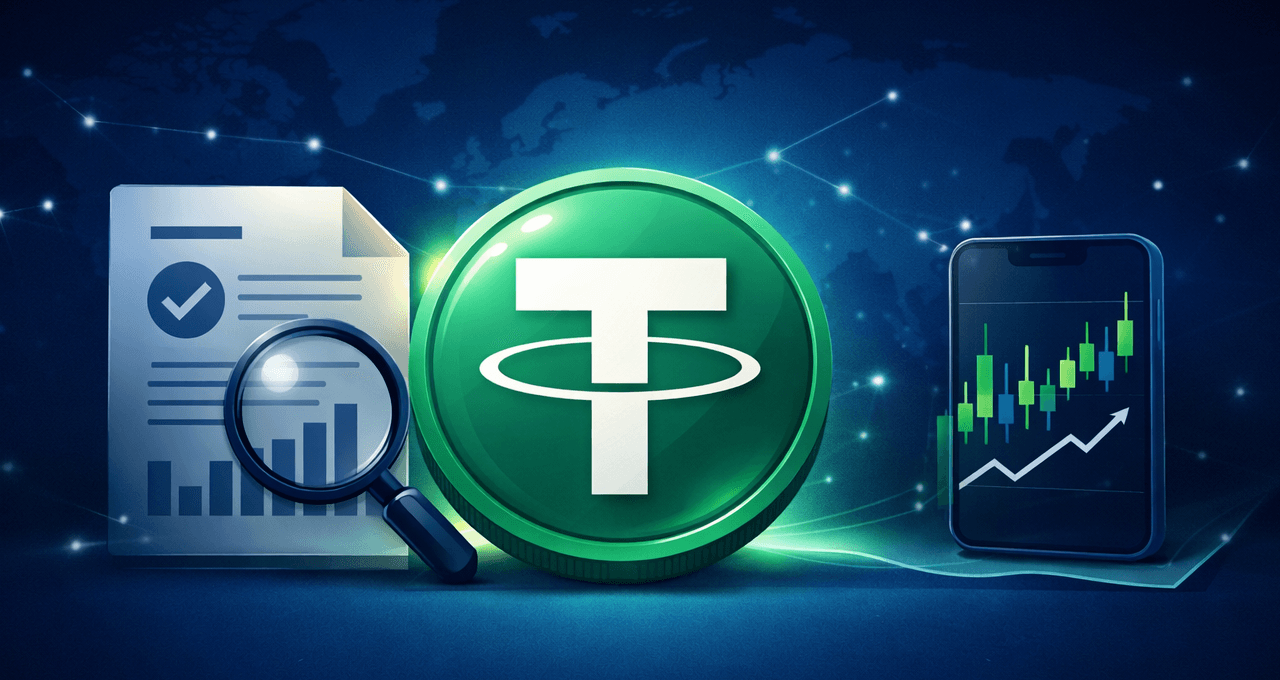
Stablecoins are super important in crypto. They act like the "cash" of the crypto world. People use them to move money between exchanges, hold their funds when the market is wild, settle trades, and jump into DeFi projects.
This article breaks down why transparency with stablecoins like Tether (USDT) matters a lot, even for beginners. You'll learn how they work in everyday trading and how to keep an eye on things using free tools.
Why Is Everyone Talking About This?
Tether is one of the biggest stablecoins out there. Whenever there's news about their reserves, audits, or how they report things, it gets a lot of attention.
The big question everyone asks is: "Can we really trust that this stablecoin is fully backed and safe?"
That's why these stories spread fast on X.
What Does Stablecoin Transparency Actually Mean?
Transparency just means the company behind the stablecoin (the issuer) is clear and honest about:
Transparency Area | Why It Matters for You |
Reserve Composition | You want to know what assets actually back the coin (like cash or bonds) |
Redemption Structure | Can you actually turn your stablecoins back into real dollars easily? |
Reporting Frequency | How often do they update the public? |
Third-Party Review | Did an outside expert check their numbers? |
Legal Structure | What are the risks if something goes wrong with the company? |
Stablecoins are only as good as people believe they are. Good transparency builds trust.
How Stablecoins Fit Into Your Daily Trading
As a beginner, you'll probably start using stablecoins like USDT sooner than you think. They're practical tools.
Common ways traders use them:
Use Case | Why Beginners Love Them |
Moving Money Fast | Quick transfers between exchanges without banks |
Parking Cash During Volatility | Hold value safely when Bitcoin is swinging up and down |
Trading Pairs | Many coins are traded against USDT |
DeFi Activities | Great for lending, borrowing, or providing liquidity |
Even if you don't follow Tether news closely, their stability affects your trading experience.
Understanding Audit vs Attestation Talk
Don't get overwhelmed by fancy words. Here's a simple breakdown:
Term | Simple Explanation |
Audit | A full, detailed check of the company's financials |
Attestation | A quicker review of specific info at one moment in time |
Reserve Report | Just a list of what assets they hold |
Social media often mixes these up. Always ask: What exactly was checked, and by who?
Why Should Beginners Care?
This isn't just for big investors. Poor transparency in a major stablecoin can affect:
How easily you can buy/sell on exchanges
Overall market confidence
Prices and liquidity
It can impact your portfolio even if you're just starting out.
Easy Tools to Track Stablecoin Activity (With Ratings)
You don't need fancy paid software. Here are free tools with my beginner-friendly ratings (0-5 stars):
1. Coinglass
Rating: 4/5
Pros:
Great for seeing exchange data and market context
Shows liquidations and general flow trends
User-friendly interface
Cons:
Not as deep on pure stablecoin supply details
Some features can feel overwhelming at first
2. DeFiLlama
Rating: 4.5/5
Pros:
Excellent stablecoin dashboards and total supply tracking
Shows where stablecoins are being used in DeFi
Free and regularly updated
Cons:
More focused on DeFi than centralized exchange flows
Requires some time to learn the different tabs
3. Blockchain Explorers (like Etherscan for Ethereum)
Rating: 4/5
Pros:
Lets you check real transactions and addresses directly
100% transparent on-chain data
Completely free
Cons:
Can be technical for absolute beginners
You need to know the right wallet addresses to look up
Simple Step-by-Step Workflow for Beginners
Read the news headline carefully
Figure out if it's about a real audit or just an attestation
Check DeFiLlama for stablecoin supply changes
See if there's any big shift in market behavior on Coinglass
Stay calm - one post doesn't mean disaster
Focus on facts, not fear.
The Bottom Line on Stablecoin Trust
Stablecoins feel like safe dollars in crypto, but they're not exactly bank accounts. They come with risks from the company, reserves, and regulations.
Transparency helps you understand these risks better.
Use the free tools above, read carefully, and you'll make smarter decisions than people who just panic over viral tweets.
FAQ
Why does Tether transparency matter so much?
Because USDT is used everywhere in trading and DeFi, so issues with it affect the whole market.
Is an audit the same as an attestation?
No. Audits are more thorough than attestations.
Why do stablecoins matter in daily trading?
They help move money, reduce risk during volatility, and are used in most trading pairs.
Can beginners really track this for free?
Yes! The tools I mentioned above work great.
Should I change how I use stablecoins after one headline?
Usually no. Verify with data first.
Disclaimer: This content is for educational and informational purposes only and is not financial advice. Nothing here is a recommendation to buy or sell any asset or use any platform. Do your own research and manage your risk.
Read More