
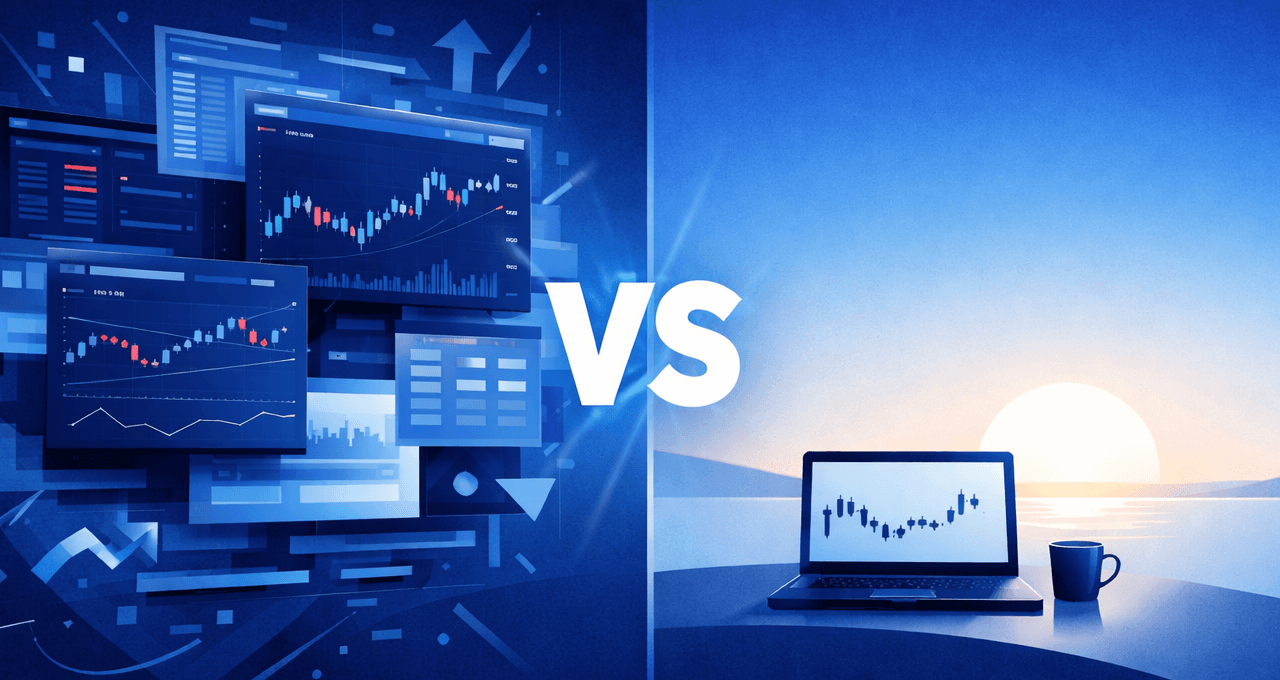
Crypto platforms love features.
The more buttons, tools, dashboards, and indicators, the more advanced they appear. But experienced traders know something most beginners don’t.
Complexity is rarely an advantage.
The Illusion of Sophistication
Many platforms are designed to impress, not to perform.
They add layers of functionality that slow decision-making, increase cognitive load, and encourage over-trading.
This is especially common on platforms trying to appeal to both beginners and professionals at the same time.
The result is clutter.
What Actually Matters in Practice
Consistently profitable trading usually comes down to execution speed, reliability, risk control, and mental clarity.
None of these improve when a platform becomes harder to use.
In fact, many traders perform better on platforms that limit distractions and focus on core actions.
Why This Is Becoming More Relevant
As markets mature, edge shifts away from tools and toward discipline.
That’s why some traders deliberately choose platforms that offer fewer but stronger features, work consistently across devices, and don’t overwhelm the user interface.
Choosing Platforms With Intent
The right platform depends on how you trade, not how impressive the interface looks.
If you trade actively and value speed, simplicity becomes a feature in itself.
Final Thought
In crypto, complexity is often marketed as progress.
In reality, clarity is what scales.
If you’re evaluating platforms, look past feature lists and ask a simpler question.
Does this make it easier to do the right thing, consistently?