If you are just getting started with crypto trading, you have probably seen headlines about Iran and the Strait of Hormuz mentioning crypto payments. It can sound complicated or even like “Bitcoin is taking over the world.” Let me explain it in plain English, step by step, so you can understand what is really going on and why it matters for everyday traders like us.
Key Takeaways
This story is really about countries trying to find new ways to get paid when normal banking is blocked, not just a flashy crypto headline.
Stablecoins are usually better for quick, everyday payments because they stay steady in price. Bitcoin is more like a special backup option.
Crypto can help a bit with sanctions, but it does not make them disappear completely. Real-world limits like tracking and rules still apply.
What Is the Reported Toll Story?
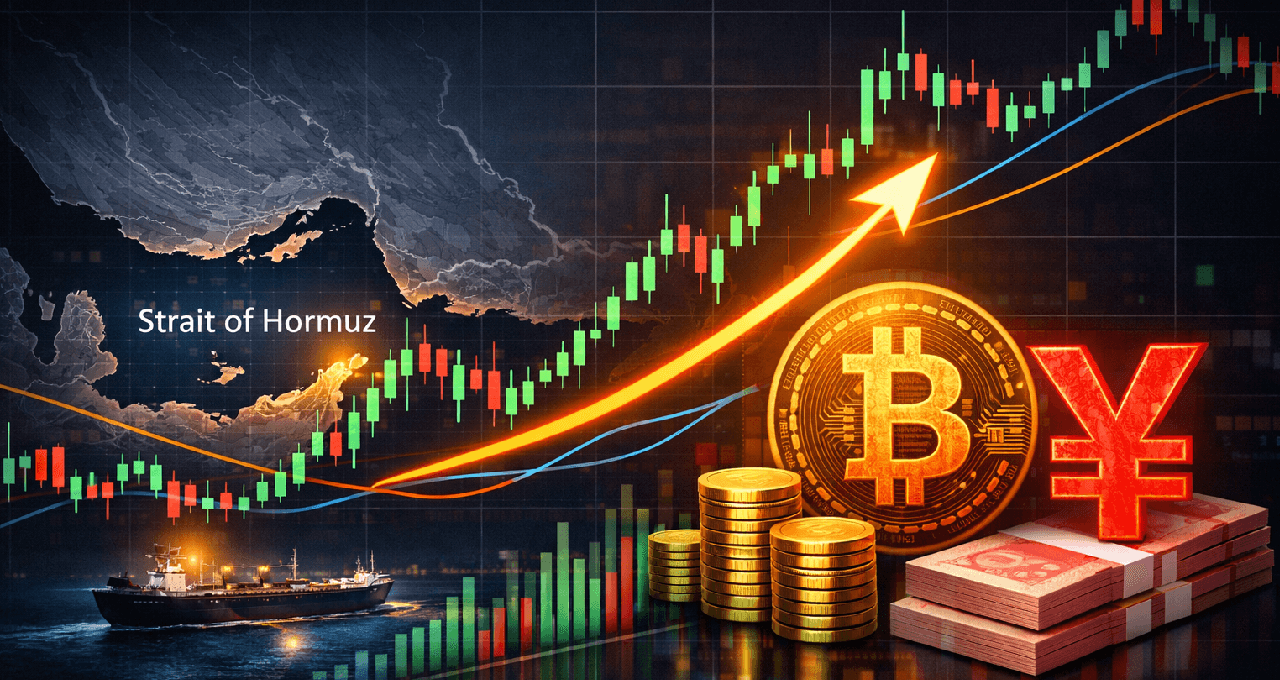
Reports say Iran (or groups linked to it) might charge a small toll on oil ships passing through the Strait of Hormuz, something like $1 per barrel, and they could accept payment in crypto or Chinese yuan instead of US dollars.
The Strait of Hormuz is a narrow sea lane where a huge amount of the world’s oil travels every day. When a country under heavy sanctions starts talking about non-dollar payments, it is their way of trying to keep trade moving without relying on Western banks.
For beginners, the big idea is this: crypto is being tested here as a backup payment rail when traditional money rails are shut down. It is not about you or me buying Bitcoin on an app. It is about governments looking for workarounds.
Here is a quick table to make the main facts easy to see:
Reported Element | Why It Matters for Traders |
$1 per barrel toll framing | Turns oil flow into a simple, repeatable payment |
Crypto or yuan as options | Shows clear interest in moving away from US dollars |
Strait of Hormuz location | One of the most important energy choke points on Earth |
Stablecoins vs Bitcoin: Which One Fits Better?
A lot of new traders think Bitcoin is the answer to every crypto news story. Not always. Let us compare them the way they actually work in a real toll situation like this.
Payment Tool | Practical Strength | Main Limitation | Rating for This Use Case (0-5) |
Stablecoins | Price stays steady, easy to price and settle | Tied to issuers that can be watched or frozen | 4.5 (best for quick toll payments) |
Bitcoin | Hard to censor, works like a digital reserve | Price jumps around a lot | 3.0 (good for big-picture strategy) |
Yuan | Backed by a big government | Still controlled by China’s rules | 4.0 (strong non-dollar alternative) |
Simple explanation:
Stablecoins win for everyday tolls because the price does not swing wildly. You know exactly how much you are paying or receiving. Bitcoin is more useful as a symbolic or long-term store of value when a country wants to avoid total control by any single government. Yuan is just another non-dollar option that big countries are already using.
Why Bitcoin Still Matters Here
Even though stablecoins are often more practical, Bitcoin has its own special strengths:
It is not controlled by any one country or company.
It has huge global liquidity (easy to buy or sell).
It carries a strong “no one can stop me” reputation.
That makes it attractive when the goal is political independence rather than just fast settlement.
Yuan in the Mix Shows the Bigger Picture
This is not only a crypto story. Yuan keeps showing up because the real goal is simply “anything but the US dollar.” Crypto is one tool. State-backed money like yuan is another. Together they show countries testing many different ways to settle trade.
Can Crypto Really Help Evade Sanctions?
Let us be honest with you as beginners.
Some people say crypto makes sanctions pointless. Others say it is useless because everything can be traced. The truth is in the middle.
Crypto can create extra paths for payments, especially in tricky or secondary deals. But it does not erase risks like:
Transactions can still be watched.
Liquidity (how easily you can move big amounts) is limited.
Governments can still apply pressure on exchanges or issuers.
Here is a quick rating of how well crypto helps with sanctions in this kind of situation:
Factor | How Crypto Helps (0-5) | Real-World Limit |
Speed of payment | 5 | Still needs willing partners |
Hiding from rules | 3 | Traceability is real |
Long-term reliability | 2 | Liquidity and enforcement matter |
Stablecoins Create a Useful but Risky Tension
Stablecoins make moving money across borders super easy and fast. That is why they are popular. But most big stablecoins are run by companies that can be told to freeze funds or share data. So the same feature that makes them useful also makes them easier to control.
The Real Lesson for Beginner Traders
State-level crypto use is almost never about loving crypto as an idea. It is about solving a specific problem right now: “How do we get paid when banks say no?”
A simple beginner checklist when you read stories like this:
What exact problem is crypto solving?
Are they talking about stablecoins (for speed) or Bitcoin (for independence)?
Is there a non-crypto option like yuan also mentioned?
Is this a big scalable change or just a small test?
Final Thoughts
The Strait of Hormuz crypto toll story is a great example of how digital money fits into real-world power struggles in 2026. Stablecoins give practical day-to-day help. Bitcoin offers a different kind of freedom. Neither one replaces the global financial system, but both give countries under pressure new options.
For you as a beginner trader, the smartest move is to watch these stories, understand the “why” behind them, and avoid the hype. Crypto is a tool that interacts with politics and sanctions. It does not magically win or lose. It just becomes part of the game.
FAQ
What is the reported crypto toll issue in the Strait of Hormuz?
It is reports that oil ships could pay a small fee (around $1 per barrel) using crypto or yuan instead of dollars.
Why would stablecoins be useful here?
They keep a steady price, making it simple to calculate and settle the exact toll amount.
Why would Bitcoin still matter?
It offers a non-government-controlled option with strong censorship resistance and reserve appeal.
Does this mean crypto can fully bypass sanctions?
No. It can help in some cases, but tracking, liquidity limits, and enforcement pressure still exist.
Why is yuan part of the discussion too?
Because the bigger goal is finding any payment method outside the US dollar system.
Disclaimer: This content is for educational and informational purposes only and is not financial advice. Nothing here is a recommendation to buy or sell any asset or use any platform. Do your own research and manage your risk.