DEX Screener Basics: A Simple Free Tool to Watch On-Chain Token Action (and Stay Safe from Scams)
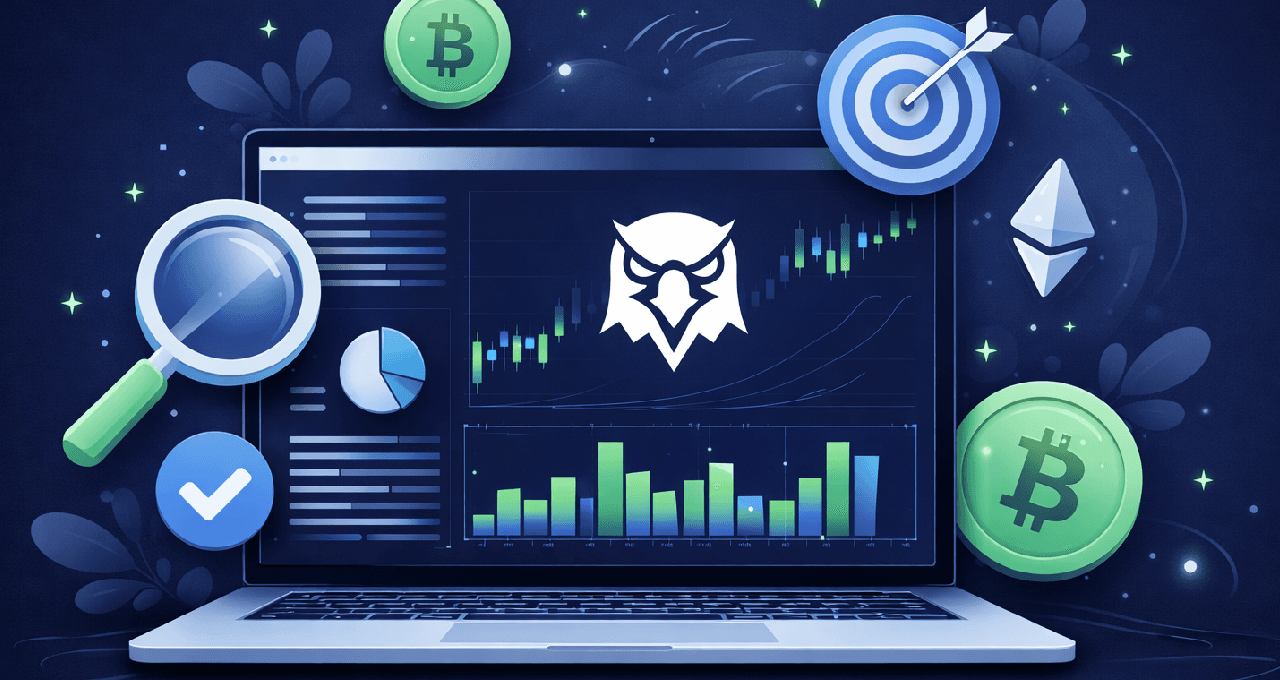
DEX Screener is a free, easy-to-use website that shows you real-time price charts and trading activity for tokens on decentralized exchanges (DEXs). Many beginners find it when someone mentions a hot new token and says “check the chart.”
When you use it the right way, DEX Screener teaches you how crypto markets really work on-chain:
How liquidity pools operate
How trading volume explodes during hype
How brand-new tokens get launched and start moving
But if you jump in carelessly, it can also lead you straight into risky low-liquidity tokens where scams happen fast and money disappears quickly.
This guide focuses purely on education. It shows you what DEX Screener can teach you and how to use it without getting hurt. Nothing here is financial advice, and I’m not recommending any tokens.
What DEX Screener Really Is (and What It Isn’t)
DEX Screener is:
A simple dashboard showing DEX token pairs
A place to see price, liquidity, trading volume, and the latest buys/sells
A way to spot what’s happening on-chain right now
DEX Screener is NOT:
Proof that a token is 100% safe
A full replacement for your own research
An automatic scam detector (you still need extra checks)
Think of it like a window: it lets you peek at market action, but it doesn’t tell you the whole story or guarantee anything.
The Simple Idea Beginners Need: Tokens Trade Through Pools
Most DEXs don’t use old-school order books. Instead, trading happens inside liquidity pools.
A pool usually contains:
Two tokens (like Token A + Token B) that people deposit
You swap one for the other directly against the pool
The price changes based on how much of each token is left in the pool
For beginners this means:
Tiny pools = wild price swings
You might face big slippage (worse price than expected)
Even a small trade can push the price up or down a lot
What to Check First on Any DEX Screener Token Page
Don’t rush to the chart. Start with these basics every single time.
Contract Address (this is the #1 thing to check)
Scammers love using similar names or fake versions of popular tokens.
Simple rule: Always copy the contract address from an official website, verified Twitter/X, or trusted docs — then match it exactly on DEX Screener. No match? Walk away.Which Chain and DEX?
Make sure you’re on the right network (Ethereum, Solana, Base, Arbitrum, etc.). The same ticker can exist on multiple chains — easy mistake for new people.Liquidity
This tells you how safe and easy trading might be.Good liquidity = smoother buys/sells, harder for one person to control price
Very low liquidity = easy to pump, hard to sell, looks exciting but breaks fast
Volume and Number of Trades
Volume shows interest, but sometimes it’s fake (wash trading).
Watch:How much volume in the last few minutes/hours
Mix of buys vs sells
Are a few huge trades doing all the work?
Market Cap / Fully Diluted Value
These can trick you if supply isn’t clear or tokens can be minted endlessly.
Simple rule: Treat these numbers as a rough guess unless you’ve checked the token’s supply rules.
How to Understand the Chart (Beginner-Friendly Way)
New token charts look very different from Bitcoin or Ethereum.
Safer way to read them:
Look for the “launch zone” — most tokens start with added liquidity, a quick spike, then lots of ups and downs as early buyers cash out.
One giant green candle followed by dead flat action is often a warning.Make sure price movement matches actual trades. If the price jumps but almost no one is trading, it’s probably fake/manipulated.
Be careful of huge pumps when liquidity stays tiny. Looks amazing, but selling later can be almost impossible.
Safe Step-by-Step Checklist for Checking Any Token
Follow this every time to avoid obvious traps.
Verify the contract address from an official source. No solid source? Stop right there.
Look at liquidity. Ask yourself:
Is it decent or super low?
Would a $100 buy wreck the price?
Could I actually sell without losing a ton?
Check holders and distribution (use a block explorer like Etherscan or Solscan). Look for:
One wallet owning way too much
Liquidity tokens locked or burned (good sign) vs unlocked (risky)
If you don’t know how yet, just treat the token as “watch only.”
Scan recent trades for weird patterns:
Lots of tiny identical buys (bots?)
Super consistent trade sizes
One big sell that kills the pool
Never connect your main wallet to unknown sites — ever.
Smart beginner setup: Keep a small “play wallet” for testing dapps, and your real money somewhere safe (like a hardware wallet).
Common Scam Warning Signs (Quick-Reference Table)
One red flag isn’t proof of a scam, but several together? Stay far away.
Warning Sign | What It Usually Means | What You Should Do |
Extremely low liquidity | Very easy to manipulate, hard to sell | Skip it completely as a beginner |
Fast price pump with almost no trades | Thin market, likely fake action | Treat as very high risk |
Copycat name or ticker | Trying to trick people | Double-check contract from official source |
A few wallets own most of the supply | Whales can dump anytime | Avoid or research much deeper |
Contract address can’t be verified | Too risky — unknown origin | Stay away |
Unclear taxes or sell restrictions | Might not be able to sell later | Check token contract before touching it |
Huge social buzz but zero real info | Pure hype/marketing token | Skip it |
Liquidity not locked (when it should be) | Pool can be pulled any time | Very high risk |
What Are “Honeypot” Tokens? (Beginners Need to Know)
A honeypot lets you buy easily but makes selling impossible or very expensive (high taxes, blocks certain wallets, etc.).
DEX Screener shows the token exists, but it can’t tell you if it’s sellable.
Safer habit:
Check the contract with trusted tools
If curious, test with tiny amounts only (like $1–2)
Best choice for most beginners: skip unknown tokens completely
Suggested next reads from Crypto University:
OKX Vs Bybit: Which Is Better For Beginners
How To Store Crypto Safely: Hot Vs. Cold Wallets And Mistakes