Definition
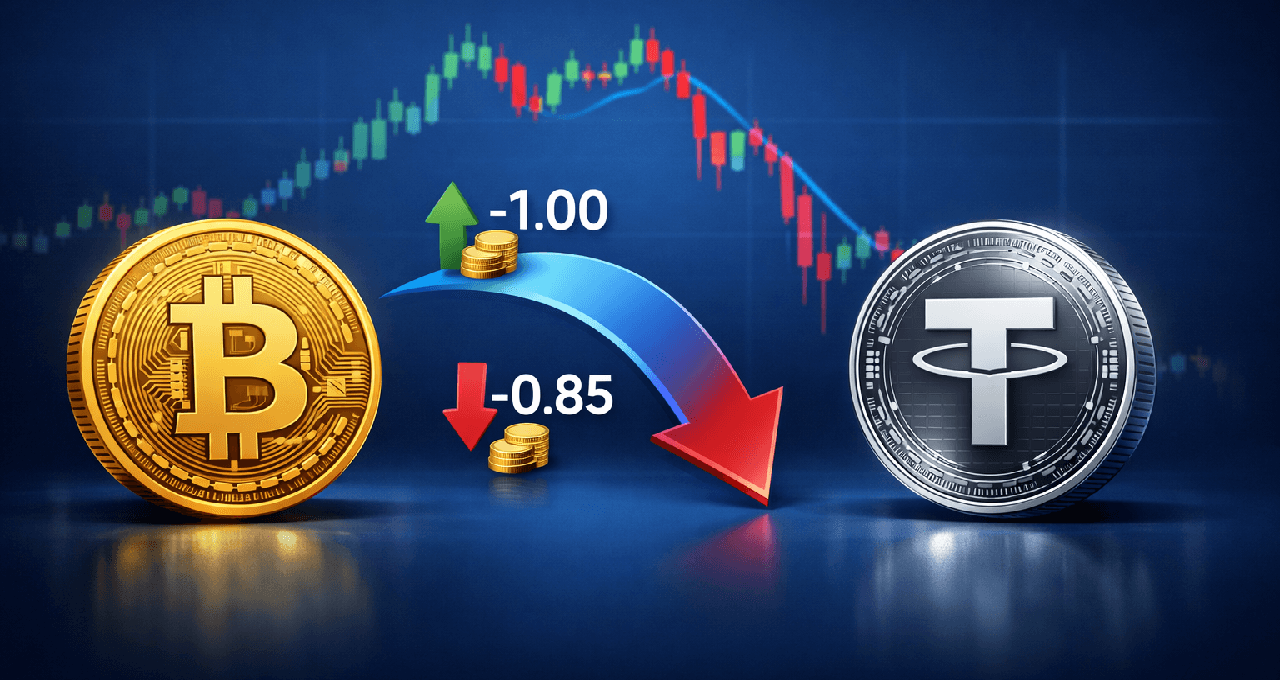
Slippage is the difference between expected and executed trade price due to market movement or insufficient liquidity.
Why It Matters
Impacts profitability
Larger orders = higher slippage risk
More common in volatile markets
More pronounced on DEXs
How It Works
Order placed
Market moves / liquidity check
Order executed at best available price
Slippage calculated
Positive = better price than expected
Negative = worse price than expected
Example
Expected ETH buy: $3,000
Executed at: $3,005
Slippage = $5 per ETH
Buying 10 ETH → $50 total slippage
Common Mistakes
Ignoring slippage tolerance
Trading during extreme volatility
Using market orders in illiquid markets
Underestimating network fees
Quick Checklist
Set slippage tolerance
Check liquidity depth
Prefer limit orders
Avoid network congestion
Track execution prices
Related Terms
Liquidity
Order Book
DEX
Impermanent Loss
Market Order
Limit Order
FAQs
What is slippage tolerance?
Maximum acceptable percentage difference before trade fails.Is slippage always negative?
No, it can be positive or negative.How to reduce slippage on DEXs?
Lower tolerance, split trades, trade during high liquidity, use limit orders.What causes slippage?
Volatility, low liquidity, large order size.Slippage vs spread?
Slippage = execution difference; spread = bid-ask difference.
Sources
Investopedia
Coinbase Help
Ledger Support
Kairon Labs Blog
Disclaimer
For informational purposes only. Crypto trading involves significant risk.