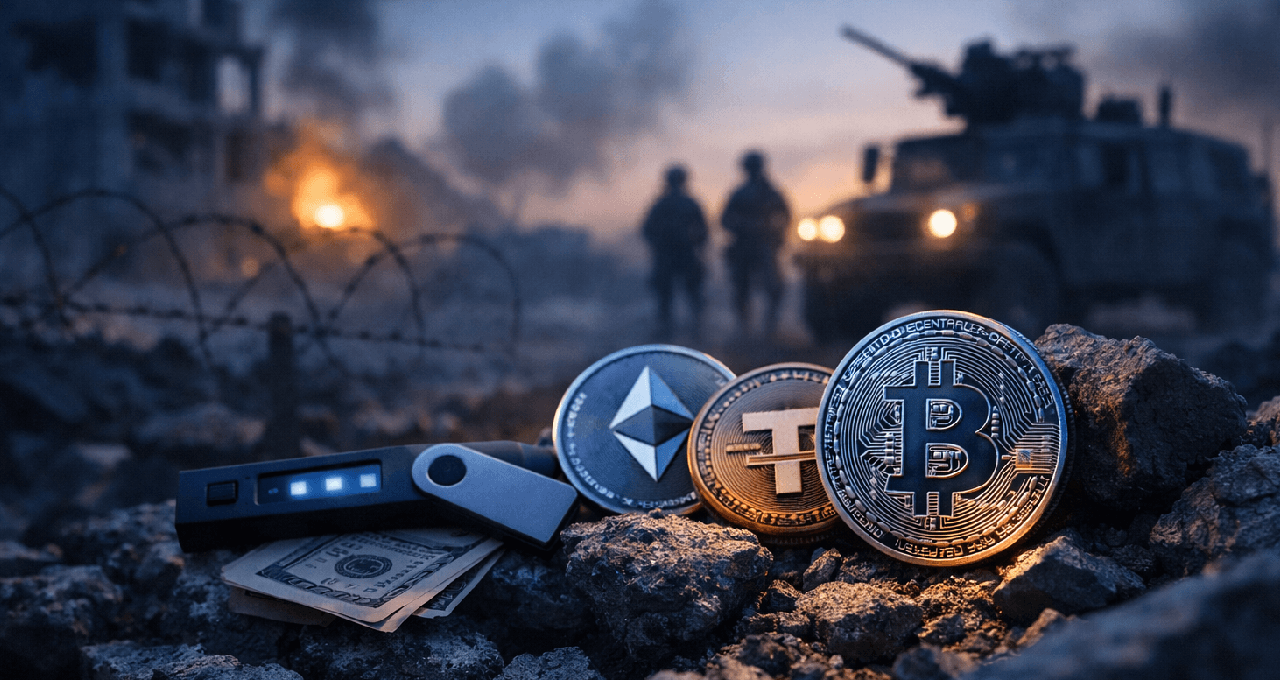
The Iran strikes highlighted how digital assets function in conflict zones. Within hours, Iranian users withdrew funds at a several‑hundred‑percent increase as the threat of sanctions or banking freezes loomed . High‑velocity digital assets allowed them to move value across borders quickly, but this activity also triggered anti‑money‑laundering (AML) alarms.
Best practices for capital preservation
Use non‑custodial wallets: P2P trading platforms and self‑custody wallets reduce reliance on local exchanges that may be forced to halt withdrawals. Your private keys remain under your control.
Diversify across assets: Hold a mix of Bitcoin, ether and stablecoins to balance volatility and liquidity. Stablecoins regulated under the GENIUS Act (discussed later) offer clearer redemption rights.
Comply with sanctions and AML laws: Moving funds out of sanctioned jurisdictions can violate international rules. Users should consult legal advisors and avoid facilitating illicit transfers.
Use privacy tools carefully: Tornado Cash and other privacy mixers provide anonymity but are increasingly targeted by regulators; consider zero‑knowledge privacy networks instead.
Wallet security in emergencies
Conflict situations amplify scams and phishing attempts. Enable two‑factor authentication on all accounts, store seed phrases offline in multiple secure locations and avoid sharing transaction details publicly. When transferring large sums, perform small test transactions first. Finally, monitor official news channels; governments may impose capital controls or internet shutdowns that affect transaction windows.