
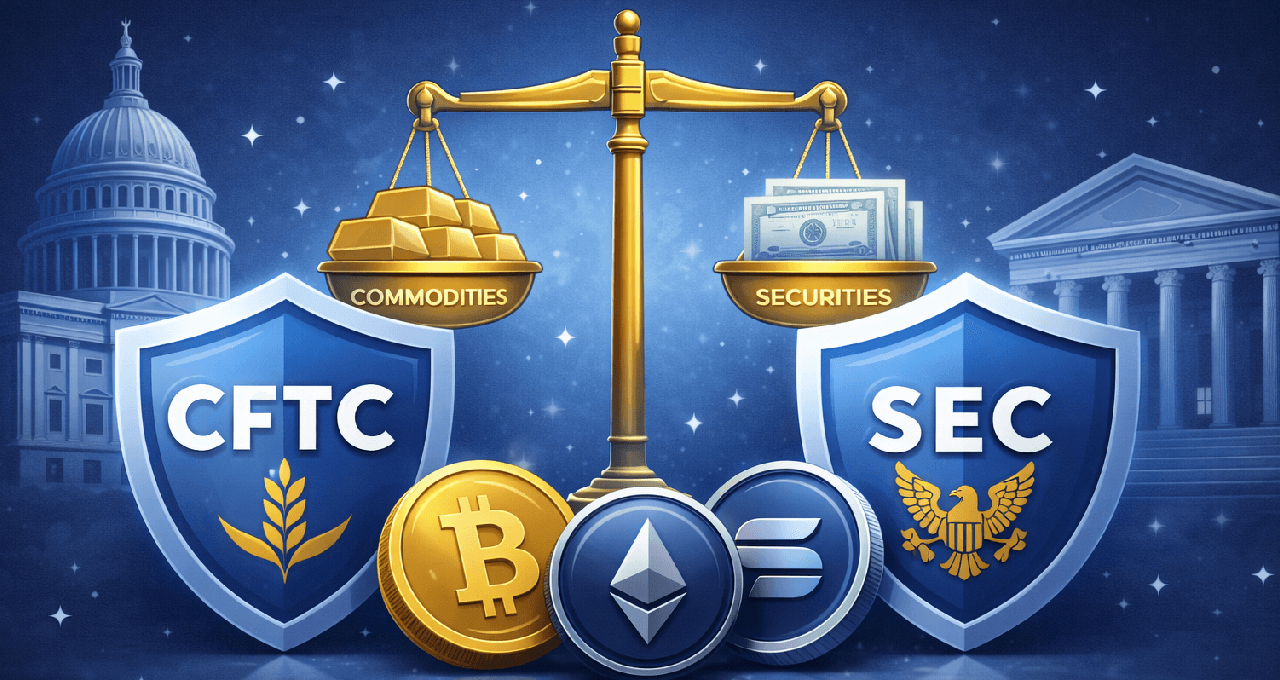
The Crypto‑Asset Regulation, Liability, and Transparency Act (CLARITY) is a bipartisan U.S. bill proposed in 2026 to untangle regulatory ambiguity between the SEC and CFTC. It classifies digital assets into three categories:
Digital Asset Categories
Category | Description | Regulator | Key Requirements/Notes |
Digital commodities | Tokens with functional utility on a blockchain | CFTC | Exchanges listing them must register as digital commodity exchanges. |
Investment contract assets | Tokens sold under investment contracts | SEC (primary phase only) | Treated as securities only during the fundraising phase; once sold on secondary markets, they revert to commodities. |
Permitted payment stablecoins | Denominated in national currency | Bank supervisors | Overlapping with the GENIUS Act. |
Practical implications
Jurisdiction clarity: The CFTC has exclusive authority over digital commodities markets, while the SEC retains authority over primary capital raises and anti‑fraud enforcement .
Registration requirements: Brokers and custodians handling digital commodities must register with the CFTC and segregate customer funds . They must use qualified custodians and provide disclosures.
Secondary trading rights: Once tokens become digital commodities, they can trade on registered platforms without being classified as securities, potentially increasing liquidity. However, token issuers must still comply with securities laws during initial offerings.
For users, CLARITY may simplify compliance by providing a taxonomy for digital assets. Always verify whether a token is in its “investment contract” phase (security) or “digital commodity” phase before trading. The bill is not yet enacted; monitor legislative updates for potential amendments.