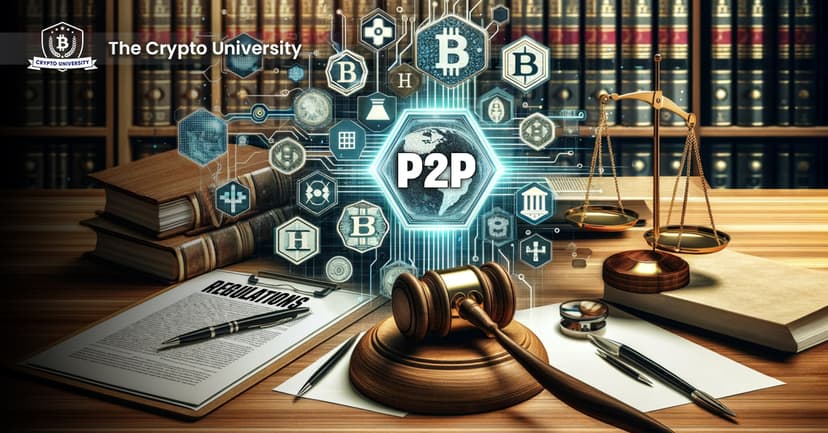
Peer-to-peer (P2P) cryptocurrency platforms have fundamentally transformed the way people trade digital assets by enabling direct transactions without intermediaries. However, the rise of these platforms has brought increased regulatory scrutiny. This blog post explores the impact of regulation on P2P crypto platforms, focusing on the current situation in Nigeria, where the Naira has been removed from many P2P platforms due to regulatory issues. Amidst these challenges, Noones has managed to stand tall. We will examine the regulatory landscape, compliance challenges, and future outlook for P2P platforms.
Current Regulatory Landscape
Global Overview: The regulatory environment for P2P crypto platforms varies significantly across different regions. In the United States, the Financial Crimes Enforcement Network (FinCEN) enforces AML and KYC regulations. The European Union has stringent AML directives, while Asia presents a mixed bag, with countries like Japan embracing crypto regulation and others like China imposing strict bans.
Nigeria’s Regulatory Framework: In Nigeria, the Central Bank of Nigeria (CBN) has taken a hard stance against cryptocurrency trading, citing concerns over money laundering, fraud, and terrorist financing. In February 2021, the CBN issued a directive prohibiting financial institutions from dealing with cryptocurrency transactions, effectively forcing many P2P platforms to remove the Naira from their systems.-
Recent Developments: The Nigerian government continues to enforce these regulations strictly, leading to increased difficulty for users to trade cryptocurrencies using the Naira. However, platforms like Noones have found ways to navigate these challenges, maintaining their operations and serving Nigerian users.
Compliance Challenges
Navigating Regulations: P2P platforms face the complex task of complying with varying regulations across different jurisdictions. In Nigeria, this complexity is exacerbated by the CBN’s firm stance against cryptocurrencies. Platforms must develop robust compliance frameworks that can adapt to these regulatory demands while continuing to offer their services.
Implementing KYC and AML: Effective KYC and AML procedures are crucial for regulatory compliance. However, implementing these measures can be challenging, especially for decentralized platforms that prioritize user privacy. Noones, for example, has developed sophisticated KYC procedures that balance regulatory requirements with user privacy, ensuring compliance without compromising its core values.
Balancing Innovation and Compliance: The tension between fostering innovation and ensuring regulatory compliance is a significant challenge. Excessive regulation can stifle innovation, limiting the growth of P2P platforms. Platforms must find a balance that allows them to innovate while remaining compliant with regulatory standards.
Binance's Regulatory Hurdles and Exit from Nigeria
1. The Situation:
- Binance, a leading global crypto exchange, faced significant regulatory challenges in Nigeria, leading to its exit from the Nigerian market by March 8, 2024.
- The Nigerian government's scrutiny intensified with allegations of Binance processing $26 billion in untraceable transactions, which contributed to the strain between the exchange and Nigerian authorities.
2. Government Actions:
- The Nigerian Securities and Exchange Commission (SEC) announced plans to ban P2P crypto trading, citing concerns over the impact on the Naira.
- This move was part of a broader crackdown that included the arrest of two Binance executives, escalating tensions within the crypto sector.
3. Impact on the Market:
- Binance's departure has raised questions about the future of crypto services in Nigeria, particularly for local businesses and entrepreneurs.
- The exit has also sparked discussions about the balance between regulation and innovation in the Nigerian crypto ecosystem.
NoOnes' Response to Regulatory Changes
1. Adaptive Strategies:
- NoOnes, a financial communication and P2P app, has adapted to the evolving regulatory landscape in Nigeria.
- The platform has focused on compliance with AML and KYC requirements, establishing itself as a trusted alternative for crypto users.
2. Growth Amidst Challenges:
- Despite regulatory pressures, NoOnes has emerged as a dominant force in the P2P marketplace, filling the void left by Binance.
- The platform's commitment to aligning with regulatory guidelines while maintaining user-friendly interfaces has contributed to its growth.
3. CEO's Perspective:
- Ray Youssef, CEO of NoOnes, remains optimistic about Nigeria's potential in the crypto ecosystem despite the challenges.
- He advocates for using the abundance of P2P traders in Nigeria as an asset and treating crypto stakeholders as allies to advance the nation's economy.
Regulatory Impact on Users
- User Privacy: Increased regulatory scrutiny affects user privacy on P2P platforms. The need for comprehensive KYC procedures can lead to concerns over data collection and storage. Noones addresses these concerns by implementing secure data handling practices and ensuring user information is protected.
- Accessibility: Stringent regulations can limit access to P2P platforms, particularly in countries like Nigeria where financial policies are restrictive. Noones has worked to ensure that its platform remains accessible to Nigerian users, providing them with alternative ways to trade cryptocurrencies despite regulatory challenges.
- Cost Implications: Compliance with regulatory requirements can lead to increased operational costs for P2P platforms, which may be passed on to users in the form of higher transaction fees. Noones has managed to keep its fees competitive by streamlining its compliance processes and leveraging technology to reduce costs.
Join the NoOnes Community Today!
Unlock the full potential of peer-to-peer financial freedom with NoOnes. Experience a platform where security meets innovation, and every transaction moves you forward.
Why Wait? Sign Up Now and Start Trading with Confidence!
- Secure Transactions: Your safety is our top priority. Trade with peace of mind, knowing your data and assets are protected.
- User-Friendly Interface: Whether you're a beginner or a pro, our intuitive platform makes trading simple and efficient.
- Compliance and Trust: We adhere to the highest regulatory standards, ensuring a reliable and trustworthy trading environment.
Don't Miss Out on the Future of Finance. Become a Part of NoOnes Today and Take the First Step Towards Empowering Your Financial Journey! Sign Up Now and be a part of the change you want to see in the world of finance.
Conclusion
The regulatory environment for P2P cryptocurrency platforms is complex and constantly evolving. In Nigeria, stringent regulations have forced many platforms to remove the Naira, impacting users significantly. However, Noones has demonstrated resilience by maintaining operations and ensuring compliance while continuing to serve Nigerian users. As regulations continue to evolve, P2P platforms must find a balance between innovation and compliance, leveraging self-regulation and proactive adaptation to navigate the challenges ahead. For users and platform operators alike, staying informed about regulatory changes and their implications is crucial.