
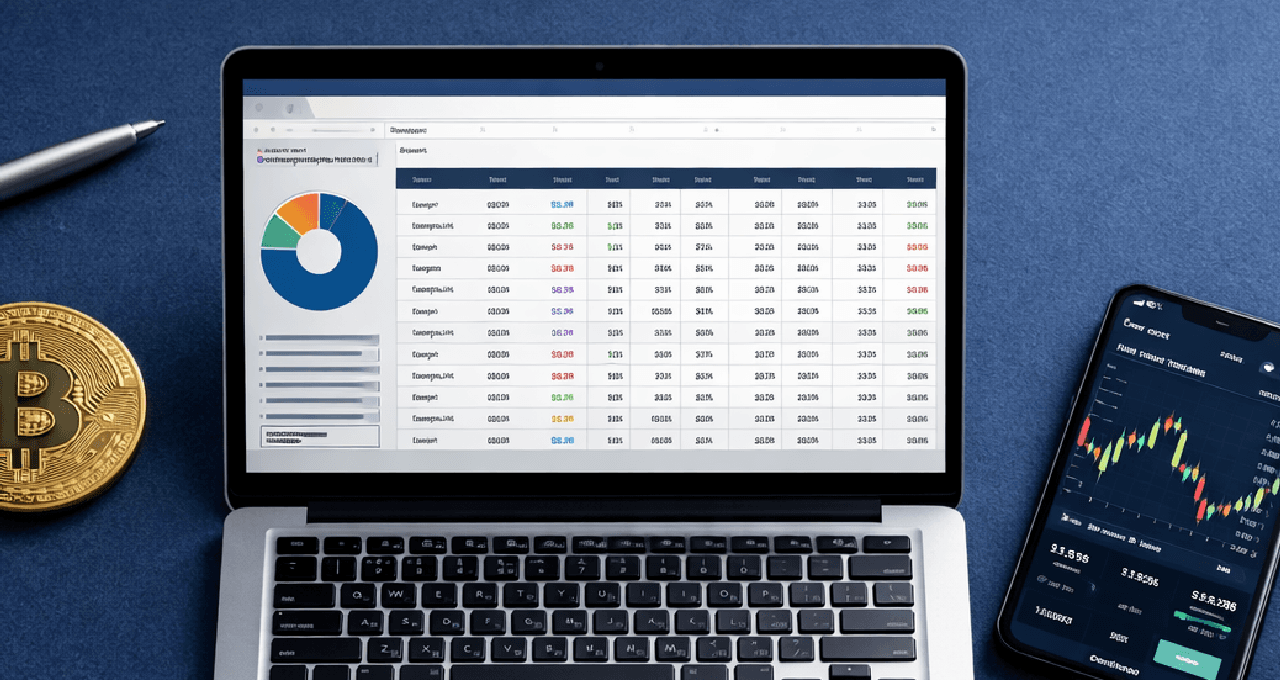
Most beginners pour all their energy into hunting the perfect entry and forget the most important part: learning from what they actually did.
That’s where a trading journal comes in. It’s not fancy software or complicated charts. It’s just a simple record of every trade you take, why you took it, and how you felt. Over time it shows you patterns you can’t see in the moment, like revenge trading, jumping in late, or risking too much when you’re excited.
For beginners, you don’t need anything complicated. A free spreadsheet, a basic app, or even your exchange’s order history can do the job. This guide walks you through the easiest options, what to track, and why the habit matters way more than the tool itself.
What Is a Trading Journal?
It’s simply a clear record of your trades and the thoughts behind them.
Here’s what a good beginner journal usually includes:
Field | Why It Matters |
Entry price | Shows exactly where your trade started |
Exit price | Shows where it ended |
Position size | Helps you see how much risk you took |
Stop loss | Tells you if you planned your risk |
Trade reason | Reminds you of your original logic |
Emotion | Helps spot impulsive or fearful decisions |
Result | Gives you an honest win/loss picture |
A journal is not just a list of numbers. It’s your personal trading coach that never lies.
Why Beginners Benefit So Much from Journaling
New traders usually blame their strategy when things go wrong. The real problem is often the process.
A simple journal quickly answers questions like:
Am I actually following my plan?
Do I lose more when I increase position size?
Am I entering trades too late after big moves?
Are my exits worse than my entries?
Which setups really work for me?
Without tracking, you’re just guessing. With a journal, you start fixing real problems fast.
Types of Beginner-Friendly Journal Tools
Here are the three easiest ways to start journaling right now:
1. Free Spreadsheets (Google Sheets or Excel)
Perfect if you want something totally free and fully customizable.
You decide every column and it costs nothing.
2. Dedicated Journal Apps
These give you ready-made dashboards, stats, and tagging. Great once you’re ready for deeper analysis.
3. Exchange Built-in History
Your trading platform already saves every order and profit/loss. Super easy starting point, but it misses your thoughts and emotions.
Tool Review Summary
I rated each option from 0 to 5 based on how beginner-friendly, useful, and practical they are for new traders:
Tool Type | Ease of Use | Best Feature | Main Drawback | Rating (0-5) |
Free Spreadsheet | Very Easy | Totally free + full control | You have to enter everything manually | 4.7 |
Dedicated Journal App | Moderate | Automatic stats & clean dashboards | Costs money after trial | 4.3 |
Exchange History Tools | Super Easy | Already built into your exchange | No emotions or personal notes | 3.9 |
For almost every beginner, the free spreadsheet wins because it helps you build the habit without extra cost or confusion.
What Beginners Should Track
Keep it simple! You only need a handful of fields to start seeing big improvements.
Category | What to Log |
Trade Details | Asset, entry price, exit price, position size |
Risk | Stop loss, target price, risk percentage |
Setup | Why you decided to enter the trade |
Outcome | Profit or loss + did you follow your plan? |
Behavior | How you felt before and after the trade |
One quick note like “entered late because of FOMO” can teach you more than any fancy indicator ever will.
A Simple Example Journal Entry
Field | Example Value |
Asset | BTC/USDT |
Entry | 62,000 |
Exit | 63,200 |
Stop loss | 61,500 |
Position size | 0.02 BTC |
Setup reason | Breakout above recent range |
Emotion | Confident but a little rushed |
Result | Small win |
Lesson | Entry was late – next time wait for confirmation |
That’s it. One entry like this every trade adds up to serious progress.
Why Reviewing Your Own Data Matters
The magic happens when you sit down once a week and look at all your trades together. You’ll suddenly notice patterns like:
Your best trades happen when risk is small and planned
You lose more in crazy fast markets
You make worse decisions after two quick wins
Your stop losses are often too tight
This honest review is where you actually get better.
Fees – What You’ll Actually Pay
Tool Type | Typical Fee |
Free Spreadsheet | Completely free |
Dedicated Journal App | Free trial then small monthly fee |
Exchange History Tools | Free (already included) |
Remember, the cheapest tool is the one you will actually use every day.
Best Beginner Approach
Here’s the easiest way to get started today:
Open a free Google Sheet
Log every single trade with the basic details above
Add one short emotion note
Review your sheet every Sunday
Only switch to a paid app later if the spreadsheet starts feeling too basic
That’s it. No overcomplicating, just steady progress.
Final Verdict
Trading journals aren’t flashy or exciting, but they are one of the smartest things a beginner can do. The best tool is simply the one you will keep using.
For most new traders, a simple free spreadsheet beats every fancy app because it helps you build the habit without excuses.
If you want to get better instead of just staying stuck, start journaling this week.
FAQ
What is a trading journal?
A simple record of every trade, your reason, your feelings, and the result.
Do beginners really need one?
Yes. It shows you the patterns that lose money so you can fix them fast.
Is a spreadsheet enough?
Absolutely. Most beginners do great with just a spreadsheet.
What else should I log besides entry and exit?
Add position size, stop loss, setup reason, emotion, and whether you followed your plan.
When should I upgrade to a paid app?
Only after you’re already consistent with journaling and want extra stats and automation.
Disclaimer: This content is for educational and informational purposes only and is not financial advice. Nothing here is a recommendation to buy or sell any asset or use any platform. Do your own research and manage your risk.