Crypto University logoCrypto University
NewsDictionaryGuidesCoursesReviewsToolsDeals
Log In
Log InRegister

Browse

  • News
  • Dictionary
  • Guides
  • Courses
  • Reviews
  • Tools
  • Deals

Explore More

  • Blog
  • Signals
  • About Us
  • Community
  • Affiliates
  • FAQs

Crypto University

Definitions, guides, reviews, and tools designed for decisions you can defend.

Library

NewsDictionaryGuidesReviews

Network

Our StoryAffiliate ProgramPartner DealsCrypto ToolsGet in Touch

Legal & Connect

PrivacyTerms of Use

Join the Community

Educational content only. Not investment, tax, or legal advice. Verify details with primary sources before making decisions. © 2026 Crypto University.

  • Dictionary
  • Guides
  • Courses
  • Reviews
  • Deals

Go Back to Crypto University Blogs

No Adverts are available

MiCA Compliance Guide For EU Crypto Users: Tax Reporting, Licensing And Tools For Full 2026 Readiness

Crypto University • 11 March 2026

blog
GuidesBeginner
No Adverts are available

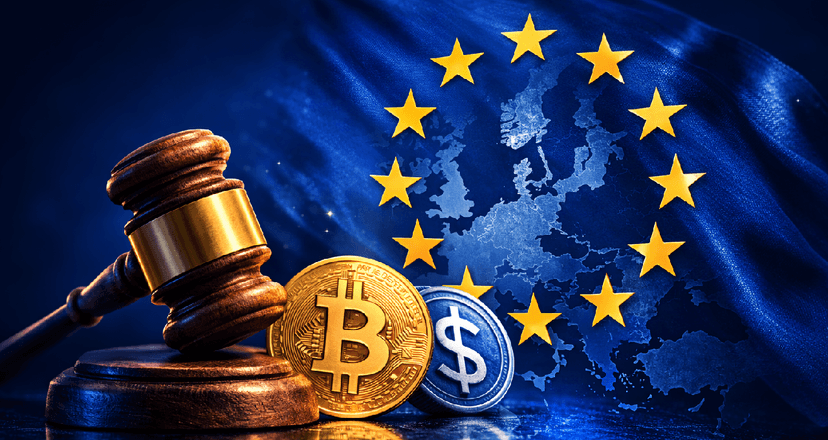
The Markets in Crypto‑Assets (MiCA) Regulation is the European Union’s first comprehensive framework for crypto.  It took effect on 30 December 2024, with a transition period until 1 July 2026 for existing crypto‑asset service providers (CASPs) .  Coupled with the Directive on Administrative Cooperation 8 (DAC8), which requires tax reporting of crypto transactions from 1 January 2026 , the regime aims to harmonize the 27‑member state market.

Key requirements

  • Authorization: CASPs must obtain a single license to operate across the EU.  This involves capital adequacy, governance and security requirements .  Asset‑referenced token issuers and e‑money token issuers face stricter obligations.

  • Disclosure and consumer protection: Issuers must publish white papers and risk disclosures; platforms must segregate client assets and implement custody rules .

  • Tax reporting (DAC8): Service providers must collect data on their users’ crypto transfers from 1 January 2026 and submit reports within nine months after the fiscal year, i.e., by 30 September 2027 .  Even non‑EU platforms serving EU residents must register or face access restrictions.

Compliance checklist

Step

Action

Why It Matters

1

Check your provider

Ensure the exchange or wallet you use is seeking MiCA authorization and will issue DAC8 tax reports. Non-compliant platforms may be delisted.

2

Record your trades

Keep detailed transaction records (dates, amounts, wallet addresses) to reconcile with DAC8 reports and avoid mismatches.

3

Understand token categories

MiCA distinguishes between asset-referenced tokens, e-money tokens and other crypto-assets. Each category has different issuance and redemption rules.

4

Prepare for 2026 deadlines

If you run a crypto business, start the licensing process early and implement KYC/AML systems. Retail users should expect more identity verification when onboarding.

No Adverts are available

Share Posts

Copy Link

cryptouniversity.networkblog/mica-c...

No Adverts are availableNo Adverts are availableNo Adverts are available
10 Best Free Crypto News Sources in 2026 (No Signals, No Hype)
Crypto University•1 January 1970

10 Best Free Crypto News Sources in 2026 (No Signals, No Hype)

Discover 10 trustworthy, free crypto news websites focused on education and facts. No trading signals or price predictions — just reliable reporting for beginners and intermediate readers.

Guides
How Bitcoin ETF News Moves the Market: What Investors Need to Know
Crypto University•1 January 1970

How Bitcoin ETF News Moves the Market: What Investors Need to Know

Understand how Bitcoin ETF news, inflows, and regulatory updates influence Bitcoin’s price and market sentiment. Learn the mechanics without speculation.

Guides
From Spot to Staked: Why the March 2026 Ethereum ETF Innovation Matters for Retail and Institutional Access
Crypto University•1 January 1970

From Spot to Staked: Why the March 2026 Ethereum ETF Innovation Matters for Retail and Institutional Access

BlackRock’s iShares Staked Ethereum Trust (ETHB) launched March 12 2026, combining spot ETH exposure with on-chain staking rewards. Compare the new yield-bearing model with traditional spot ETFs and understand the mechanics, delegation process, and risks.

Crypto News