Crypto University logoCrypto University
NewsDictionaryGuidesCoursesReviewsToolsDeals
Log In
Log InRegister

Browse

  • News
  • Dictionary
  • Guides
  • Courses
  • Reviews
  • Tools
  • Deals

Explore More

  • Blog
  • Signals
  • About Us
  • Community
  • Affiliates
  • FAQs

Crypto University

Definitions, guides, reviews, and tools designed for decisions you can defend.

Library

NewsDictionaryGuidesReviews

Network

Our StoryAffiliate ProgramPartner DealsCrypto ToolsGet in Touch

Legal & Connect

PrivacyTerms of Use

Join the Community

Educational content only. Not investment, tax, or legal advice. Verify details with primary sources before making decisions. © 2026 Crypto University.

  • Dictionary
  • Guides
  • Courses
  • Reviews
  • Deals

Go Back to Crypto University Blogs

No Adverts are available

How To Safely Deploy AI Agents For Crypto Trading In 2026: Tools, Permissions And Risk Management Tips

Crypto University • 9 March 2026

blog
GuidesBeginner
No Adverts are available

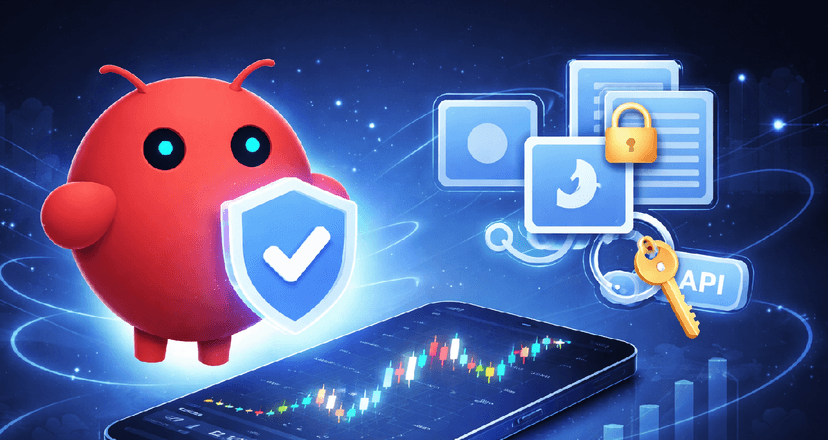
AI‑powered agents are transforming crypto trading, but deploying them safely requires diligence.

Choose the right agent platform

  • OpenClaw/BakrBot: Offers open‑source modules for centralized exchanges and DeFi interactions, with code transparency and configurable permissions .  Users can inspect smart contracts and restrict API keys.

  • Agent key managers: Services like Agent Key (conceptually similar to a password manager for agents) let users generate unique API keys per task and revoke them quickly.  Always set IP whitelists and minimal scopes.

Manage permissions and funds

  1. Create separate sub‑accounts for agents.  Assign limited balances so a compromised agent cannot drain your entire holdings.

  2. Set granular API scopes: Only allow order placement and balance reading.  Never enable withdrawals or transfers.

  3. Use multi‑sig wallets for DeFi: When deploying agents on protocols like Uniswap, route transactions through multisignature wallets to require human approval for large or unusual transactions.

  4. Test in simulation: Start with small amounts or testnets.  Evaluate performance and error rates before scaling.

Mitigate AI‑specific risks

Models can hallucinate or misinterpret prompts.  Write clear, deterministic instructions and avoid letting agents trade on unverified news.  Keep your private keys offline; use hardware wallets to sign any transaction manually for extra security.  Finally, keep up with the latest security research and update agent code regularly.  By combining permission controls with human oversight, AI agents can become powerful assistants rather than liabilities.

No Adverts are available

Share Posts

Copy Link

cryptouniversity.networkblog/how-to...

No Adverts are availableNo Adverts are availableNo Adverts are available
Understanding Crypto Regulations: A Beginner’s Overview
Crypto University•1 January 1970

Understanding Crypto Regulations: A Beginner’s Overview

Discover simple crypto regulations for beginners. Learn about exchanges, taxes, stablecoins, and how global rules differ so you can trade safely and stay compliant.

Guides
Bitcoin vs Stablecoins: Simple Guide for Beginner Traders
Crypto University•1 January 1970

Bitcoin vs Stablecoins: Simple Guide for Beginner Traders

Discover how Bitcoin and stablecoins differ in volatility, uses, risks, and more. Perfect easy guide for beginner traders choosing the right crypto for holding, trading, or payments.

Guides
What Is Decentralized Finance (DeFi) and How Does It Work?
Crypto University•1 January 1970

What Is Decentralized Finance (DeFi) and How Does It Work?

Discover what DeFi is, how it works, and beginner-friendly tips for trading, lending, and earning on blockchain. Learn the risks and simple ways to get started safely.

Guides