Crypto University logoCrypto University
NewsDictionaryGuidesCoursesReviewsToolsDeals
Log In
Log InRegister

Browse

  • News
  • Dictionary
  • Guides
  • Courses
  • Reviews
  • Tools
  • Deals

Explore More

  • Blog
  • Signals
  • About Us
  • Community
  • Affiliates
  • FAQs

Crypto University

Definitions, guides, reviews, and tools designed for decisions you can defend.

Library

NewsDictionaryGuidesReviews

Network

Our StoryAffiliate ProgramPartner DealsCrypto ToolsGet in Touch

Legal & Connect

PrivacyTerms of Use

Join the Community

Educational content only. Not investment, tax, or legal advice. Verify details with primary sources before making decisions. © 2026 Crypto University.

  • Dictionary
  • Guides
  • Courses
  • Reviews
  • Deals

Go Back to Crypto University Blogs

No Adverts are available

CLARITY Act Explained: What Crypto Users Need To Know About U.S. Market Structure Rules And Securities Vs Commodities

Crypto University • 11 March 2026

blog
GuidesBeginner
No Adverts are available

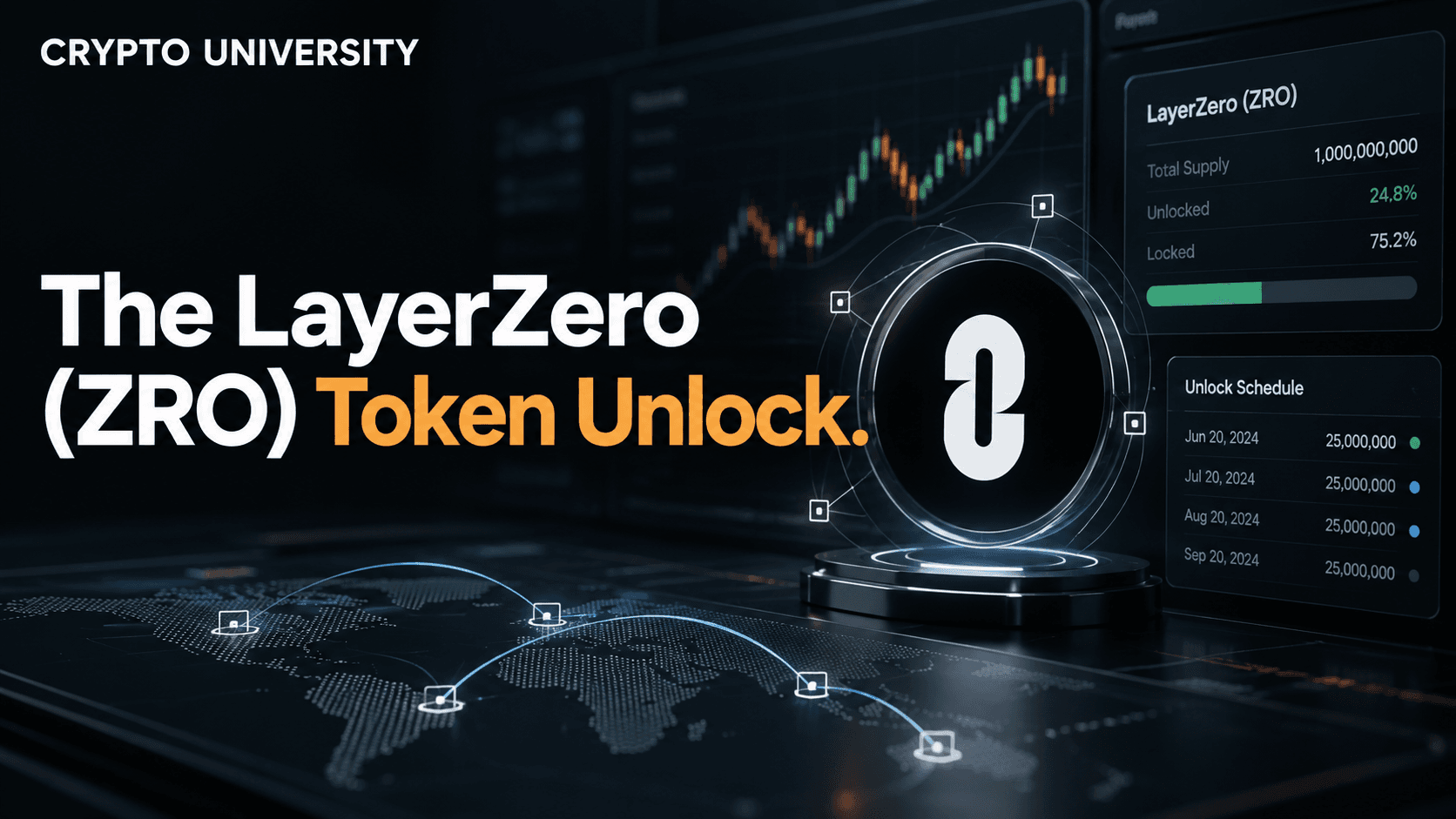
The Crypto‑Asset Regulation, Liability, and Transparency Act (CLARITY) is a bipartisan U.S. bill proposed in 2026 to untangle regulatory ambiguity between the SEC and CFTC.  It classifies digital assets into three categories:

Digital Asset Categories

Category

Description

Regulator

Key Requirements/Notes

Digital commodities

Tokens with functional utility on a blockchain

CFTC

Exchanges listing them must register as digital commodity exchanges.

Investment contract assets

Tokens sold under investment contracts

SEC (primary phase only)

Treated as securities only during the fundraising phase; once sold on secondary markets, they revert to commodities.

Permitted payment stablecoins

Denominated in national currency

Bank supervisors

Overlapping with the GENIUS Act.

Practical implications

  • Jurisdiction clarity: The CFTC has exclusive authority over digital commodities markets, while the SEC retains authority over primary capital raises and anti‑fraud enforcement .

  • Registration requirements: Brokers and custodians handling digital commodities must register with the CFTC and segregate customer funds .  They must use qualified custodians and provide disclosures.

  • Secondary trading rights: Once tokens become digital commodities, they can trade on registered platforms without being classified as securities, potentially increasing liquidity.  However, token issuers must still comply with securities laws during initial offerings.

For users, CLARITY may simplify compliance by providing a taxonomy for digital assets.  Always verify whether a token is in its “investment contract” phase (security) or “digital commodity” phase before trading.  The bill is not yet enacted; monitor legislative updates for potential amendments.
No Adverts are available

Share Posts

Copy Link

cryptouniversity.networkblog/clarit...

No Adverts are availableNo Adverts are availableNo Adverts are available
How to Secure Your Seed Phrase and Private Keys
Crypto University•1 January 1970

How to Secure Your Seed Phrase and Private Keys

Learn how to secure your seed phrase and private keys with practical best practices for beginners, including backups, storage, and common mistakes.

Guides
Understanding Stablecoins: Types, How They Work, and Their Role in Crypto Liquidity
Crypto University•1 January 1970

Understanding Stablecoins: Types, How They Work, and Their Role in Crypto Liquidity

Learn what stablecoins are, how the main types work, and why they provide essential liquidity in crypto markets. A clear guide for beginners covering USDT, USDC, DAI, and more.

Guides
How to Spot and Avoid Crypto Phishing Scams: A Beginner’s Guide
Crypto University•1 January 1970

How to Spot and Avoid Crypto Phishing Scams: A Beginner’s Guide

Discover practical ways to spot and avoid crypto phishing scams. Learn common tactics, red flags, and step-by-step prevention tips to protect your wallet and digital assets safely.

Guides